Wood Green man and van tips for narrow Victorian homes
Posted on 01/05/2026
If you are moving in Wood Green and your home is one of those lovely but awkward Victorian terraces or conversions, you already know the challenge: tight staircases, narrow hallways, steep steps, and doors that seem just a touch too small for the sofa you swore would fit. That is exactly where the right Wood Green man and van tips for narrow Victorian homes can make the difference between a calm move and a day of muttered apologies, scratched walls, and one very stubborn armchair.
Truth be told, Victorian houses are beautiful for a reason. They have character, height, timber details, and a layout that often makes modern furniture feel like it was designed by someone with no sense of proportion. The good news? With a bit of planning, the right loading order, and a van service that understands local streets and access quirks, you can move efficiently without tearing up your home in the process.
This guide walks through practical planning, packing, access checks, and the small but crucial details that people often miss. You will also find links to useful service pages such as man and van help in Haringey, flat removals for tighter properties, and packing and boxes support if you want a smoother route from one door to the next.
Why Wood Green man and van tips for narrow Victorian homes Matters
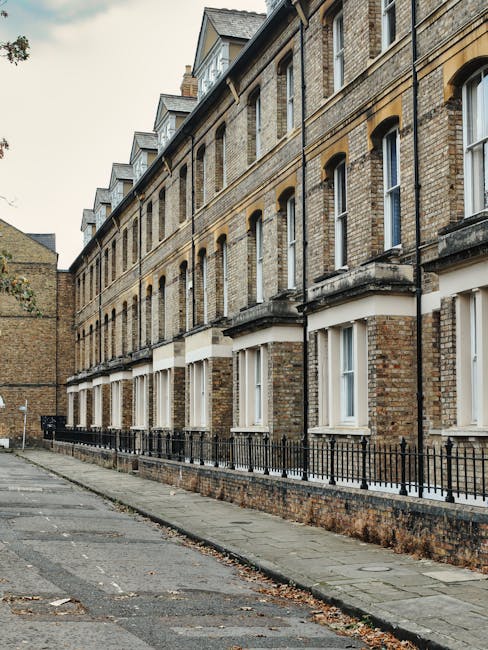
Narrow Victorian homes create a very specific moving problem. They are often tall rather than wide, with stairs that bend, landings that pinch, and room shapes that do not always cooperate with modern furniture dimensions. A bulky wardrobe might technically fit through the front door, but only if you rotate it just so and avoid the banister by a few millimetres. That is why local moving advice matters more here than in a generic, newer-build move.
Wood Green adds another layer. Parking can be tight, access can be limited by busy roads, and some properties sit on streets where double-parking is simply not an option. A good man and van plan accounts for those realities before the van arrives, not after the crew is already standing in the hallway wondering where the chest of drawers is supposed to turn.
For people in a hurry, this kind of move can feel like a puzzle with one missing piece. The move itself is not the issue; the access is. So the job becomes less about brute force and more about smart sequencing, measured lifting, and knowing which items should be dismantled before anyone touches the stairs.
If you are exploring moving support more broadly, the services overview is a useful place to understand how local removal support is usually structured. And if you want reassurance around process and standards, the company's health and safety policy and insurance and safety information are worth reading before you book.
How Wood Green man and van tips for narrow Victorian homes Works
At a practical level, a man and van move for a narrow Victorian property is about reducing friction at every stage. That means measuring, sorting, dismantling, protecting, and loading in the right order. Nothing glamorous, but very effective.
Here is the basic flow:
- Access review - identify stairs, turns, low ceilings, tight hallways, shared entrances, and parking restrictions.
- Item audit - decide what can be carried as-is, what should be dismantled, and what is better sold, donated, or stored.
- Packing strategy - use strong boxes, sensible weight distribution, and clear labelling so heavy items do not become a surprise later.
- Protection plan - use blankets, covers, and corner protection for doors, walls, and furniture edges.
- Loading order - put the heaviest and least fragile items in first, then fill gaps with lighter boxes and soft items.
- Delivery sequence - place items in the destination in a way that avoids reshuffling everything twice. That part matters more than people think.
In narrow Victorian houses, the trick is not just moving things. It is moving things without needing a second attempt. A sofa that makes it halfway up the stairs and then gets stuck can add a lot of time and a lot of stress. Sometimes a small adjustment, like removing feet or wrapping a corner properly, saves the whole afternoon.
For tighter flats and split-level properties, a focused option such as flat removals in Haringey can be more suitable than a generic move. The same goes for specific furniture pieces; if you have bulky household items, furniture removals support is often the smartest way to keep the move efficient.
Key Benefits and Practical Advantages
Using the right approach for a narrow Victorian move is not just about avoiding damage. It also saves time, energy, and a fair bit of emotional load. And lets face it, moving day already takes enough out of people.
- Less risk of damage - measured planning reduces scuffs, scrapes, and broken fittings.
- Faster loading - when items are grouped logically, the van can be packed efficiently.
- Better use of labour - fewer unnecessary trips up and down stairs means less fatigue and fewer mistakes.
- Lower stress - you know what is happening, in what order, and why.
- Smarter van sizing - the right vehicle and loading plan can avoid wasted journeys.
- More flexibility - a skilled local mover can adapt if access turns out to be tighter than expected.
There is also a subtle but important benefit: better judgment. A good mover does not just carry boxes. They notice when a bookcase needs dismantling, when a mattress should be wrapped, or when the front path is too narrow for a straight carry. That judgement is what keeps a move from becoming one of those stories people laugh about later, once the pain has faded.
If your move needs to happen quickly, you may also want to look at same-day removals in Haringey. Not every move can be planned weeks ahead, and in a busy local market, speed plus care is the ideal combination.
Who This Is For and When It Makes Sense
This advice is especially useful if you live in a Victorian terrace, a conversion flat, a maisonette with internal stairs, or an older property where the layout has more personality than practicality. It is also relevant if you are moving in or around Wood Green, where streets can be busy and access windows may be limited.
You will probably benefit most if you are:
- moving from a top-floor flat with a narrow stairwell;
- trying to move larger furniture through a small hallway;
- living on a street with awkward parking or limited waiting space;
- moving on a tight schedule and need help that is organised, not chaotic;
- trying to keep costs sensible by preparing well in advance;
- concerned about protecting period features, paintwork, or stair rails.
This is also a practical fit for students, first-time renters, and homeowners who just need a smaller-scale move rather than a full-scale removal team. If that sounds like you, the student removals service can be useful for lighter but still time-sensitive moves, especially when you are balancing boxes, deadlines, and a lot of walking back and forth.
For homeowners with a larger move, the broader house removals option may be the better fit. Not every move needs the same size team. That is the whole point.
Step-by-Step Guidance
Here is the cleanest way to plan a move in a narrow Victorian property without making life harder than it needs to be.
1. Measure the problem areas first
Start with the front door, hallway width, stair turns, banister space, ceiling height on landings, and any awkward corners. Then measure the largest furniture items. Not just the sofa length. Measure its height, depth, and the width at the widest point, including arms and feet. People often skip that last bit and then wonder why the sofa refuses to pivot. A classic.
2. Decide what must be dismantled
Wardrobes, bed frames, dining tables, and large shelving units are the usual suspects. If an item can be safely dismantled, do it before moving day. Put fixings in labelled bags and tape them to the matching item or keep them in one clearly marked container. This sounds basic, but on the day it can save twenty minutes of hunting for a tiny Allen key that has somehow migrated into the kettle box.
3. Clear the route inside the home
Remove loose rugs, side tables, plant pots, floor lamps, and anything else that turns a tight passage into an obstacle course. If the stairs are painted or recently decorated, take extra care with masking vulnerable corners. Victorian homes can be surprisingly unforgiving if a heavy box clips a wall edge on the turn.
4. Pack by weight and fragility
Use smaller boxes for books, crockery, and heavy kitchen items. Bigger boxes are fine for bedding, cushions, and lighter soft goods. Keep a sensible weight limit so one box does not become a mini deadlift session. If you need help choosing the right packing materials, the packing and boxes guide is a helpful place to start.
5. Plan van access and parking
Confirm where the van can stop, whether it needs to reverse into position, and whether there are any time restrictions or permit issues. In Wood Green, a few minutes spent thinking about parking can prevent a long, awkward wait later. If you are unsure about the vehicle itself, the removal van information can help you think through vehicle size and loading needs.
6. Load in a deliberate sequence
Start with the strongest, least fragile items: mattresses, wardrobes, large appliances if relevant, and flat-packed pieces. Then fill the gaps with medium boxes and soft items. Heavier boxes should go low and close to the van wall for stability. Fragile items should not be left floating on top of a pile that may shift during transit. That is just asking for trouble, really.
7. Place items sensibly at delivery
When you arrive, think about the order of unpacking. Put beds in the bedrooms first, then essential kitchen items, then furniture. Do not dump everything in one room unless you enjoy losing your own floor. The easiest moves are the ones where each box lands close to where it will be opened.
Expert Tips for Better Results
After enough local moves, you start to notice patterns. The same mistakes happen again and again, and the same small fixes keep paying off.
- Use moving blankets early, not late. Protect walls and doorframes before the first large item moves, not after the first scrape.
- Take doors off hinges where appropriate. In some Victorian hallways, removing a door temporarily gives you just enough extra clearance.
- Keep one clear path. It sounds obvious, but in a busy home, boxes have a way of drifting into the route you need most.
- Put screws and fittings in a proper labelled bag. Not the bottom of a random box. Not in your coat pocket. A proper bag.
- Pack a first-night box. Include kettle, mugs, chargers, toiletries, basic tools, medication, and a change of clothes.
- Check for low-hanging fixtures. Victorian homes sometimes have light fittings or picture rails positioned exactly where a tall wardrobe wants to pass.
One small but valuable tip: keep a phone charged and accessible on the day. If the van needs a quick parking decision or you need to confirm a room layout, you do not want to be digging through a box labelled "misc." That box, by the way, is where items go to disappear forever.
For local movers who want a strong reputation for reliability, reading the company's about us page and any available customer feedback can help you judge fit and service style. It is a simple step, but a wise one.
Common Mistakes to Avoid
Most difficult moves are not ruined by one huge problem. They are slowed down by several small ones stacking up. A bit like a dodgy wardrobe hinge, really. Slightly annoying at first, then suddenly the whole thing is wobbling.
- Underestimating stair turns - measuring the room is not enough if the staircase turns sharply halfway up.
- Leaving packing until the night before - rushed packing leads to weak boxes and mixed-up labels.
- Forgetting parking constraints - the van may need more space than you think, especially on a narrow street.
- Moving fully assembled furniture without checking access - sometimes dismantling is the smarter option.
- Using oversized boxes for heavy items - a giant box full of books is a back problem waiting to happen.
- Not communicating room priorities - if you want the bed assembled first, say so early.
Another quiet mistake is assuming every mover will automatically understand your property. Some will, some won't. The best approach is to be specific: mention the narrow hallway, the flight of stairs, the tight corner by the landing, and the fact that the sofa had to be moved diagonally the last time you bought it in. Small detail, big difference.
If you need a more structured approach to moving house or flat, the removal services page and general removals information can help you compare your options before committing.
Tools, Resources and Recommendations
You do not need a warehouse of equipment to manage a narrow Victorian move well, but a few practical tools go a long way.
| Tool or resource | Why it helps | Best use |
|---|---|---|
| Measuring tape | Checks doorways, stair turns, and furniture clearance | Before booking or dismantling |
| Furniture blankets | Helps protect walls and furniture edges | Large items, painted corridors, stairs |
| Strong tape and labels | Keeps fittings and boxes organised | Flat-pack furniture and packing systems |
| Furniture sliders or dollies | Reduce dragging and lifting where appropriate | Hard floors, short internal moves |
| Sturdy moving boxes | Protect contents and make stacking easier | Books, kitchenware, mixed household items |
If you are choosing a local mover, it is sensible to compare service levels, not just price. A lower quote can look attractive until you realise it assumes a property with better access than yours. That is why a clear pricing and quotes page is worth reviewing before you make a decision. You may also want to look at the available services and how they fit your move size.
For people who need temporary space between homes, storage options in Haringey can be useful if the new property is not ready or if you want to move in stages. That is often a calm, sensible choice rather than trying to force everything into one day.
Law, Compliance, Standards, or Best Practice
For a home move, the legal side is usually straightforward, but there are still important standards and best practices to keep in mind. In UK moving work, the focus is typically on safe lifting, responsible loading, insurance awareness, and respect for property access.
Here are the main things to think about:
- Parking and access - check local parking rules, any permit needs, and whether the vehicle can stop safely without blocking traffic.
- Health and safety - lifting techniques, team communication, and route clearance matter, especially on stairs and in tight hallways.
- Insurance expectations - always understand what is covered, what is not, and how fragile items are handled.
- Building respect - shared entrances, common hallways, and neighbours should be treated carefully and without unnecessary disruption.
- Data and payment security - if you are booking online, it is sensible to review the company's payment and security information and privacy policy.
Best practice is usually more useful than vague promises. For example, a mover who explains how they protect furniture, how they handle awkward access, and how they manage fragile items is often giving you more real value than one who just says, "don't worry, we'll sort it." Nice phrase. Not enough detail.
If you want reassurance about ethical and operational standards, pages such as terms and conditions, complaints procedure, and recycling and sustainability can tell you a lot about how a business works day to day.
Options, Methods, or Comparison Table
Different move types suit different homes. In a narrow Victorian property, the best option is usually the one that reduces handling, protects the building, and keeps the route simple.
| Approach | Best for | Strengths | Trade-offs |
|---|---|---|---|
| Man and van | Smaller moves, single flats, lighter household loads | Flexible, efficient, often cost-conscious | Less suitable for very large homes with complex access |
| Full house removals | Large family homes, multiple rooms, bigger inventories | More support, better for volume | Can be more than you need for compact Victorian properties |
| Furniture-only move | Bulky individual items, selective moves | Good for awkward pieces and stair-heavy buildings | May not cover the rest of the household |
| Storage plus staged move | Delayed completion, downsizing, renovation timing | Reduces pressure on moving day | Requires an extra step and planning |
For many Wood Green residents, the middle path is best: a well-planned man with a van service in Haringey or a man with van option that is sized for the property rather than oversized for the job. Sometimes simple is exactly right.
Case Study or Real-World Example
Here is a realistic example. Imagine a two-bedroom Victorian conversion in Wood Green, with a narrow front door, a staircase that turns sharply at the first landing, and a large corner sofa that looked perfectly reasonable in the showroom. On paper, the move seems manageable. In practice, the sofa is the problem item.
The smarter approach would be to:
- measure the stairwell and front door before move day;
- remove sofa feet and any detachable sections;
- wrap the sofa corners and the stair rail;
- move the sofa before the smaller boxes, while the route is still clear;
- keep two people guiding and one person checking angles at the turn;
- place the sofa in its final room before anything else blocks the hallway.
The box-heavy items then come later, when the biggest access issues are already out of the way. That simple change can cut down the chance of damage and reduce the "we nearly got it through" problem that every mover knows too well.
A similar approach works for shared houses, student flats, and older rentals where the stairs are the bottleneck. If you are moving out of a compact property, you may also find the local house removals guidance helpful for planning the order of rooms and the most efficient loading sequence.
And yes, sometimes the elegant answer is not to wrestle the furniture at all. It is to dismantle it, label it, and move on with your life. Very civilized.
Practical Checklist
Use this checklist before your move day. It is short enough to be realistic and detailed enough to save you hassle.
- Measure the front door, hallway, stair turns, and largest furniture items.
- Check whether parking near the property is workable for the van.
- Decide which furniture should be dismantled in advance.
- Gather strong boxes, tape, labels, blankets, and basic tools.
- Pack heavy items in small boxes and light items in larger boxes.
- Mark fragile items clearly and keep them separate from general load.
- Clear corridors, stairs, and landings of loose items and trip hazards.
- Protect walls, corners, and doorframes where needed.
- Prepare a first-night essentials box.
- Confirm the order you want rooms unloaded at the new property.
- Review insurance, payment, and booking details before the move.
- Keep your phone charged and accessible on the day.
Expert summary: In narrow Victorian homes, the winning strategy is usually simple: measure properly, dismantle what you can, protect the route, and load in a deliberate order. That is what keeps a small move feeling smooth instead of frantic. Not magic. Just good preparation, done well.
Get a free quote today and see how much you can save.
Conclusion
Wood Green moves in narrow Victorian homes are rarely about strength alone. They are about judgment, patience, and a practical plan that respects both the building and the furniture. When you understand the access, choose the right vehicle size, and prepare the items that need dismantling, the whole process becomes much easier.
If you are comparing options, it is worth looking at the service fit, not just the headline price. A thoughtful local mover who understands tight staircases, awkward landings, and busy Wood Green streets can save you a lot of stress. And that matters. A lot more than people expect, actually.
For a final bit of reassurance, take a look at the company's local blog resources for more moving advice, or head straight to contact us if you want to talk through your property layout before booking. A careful move is still a moving day, but it does not have to feel like a battle.