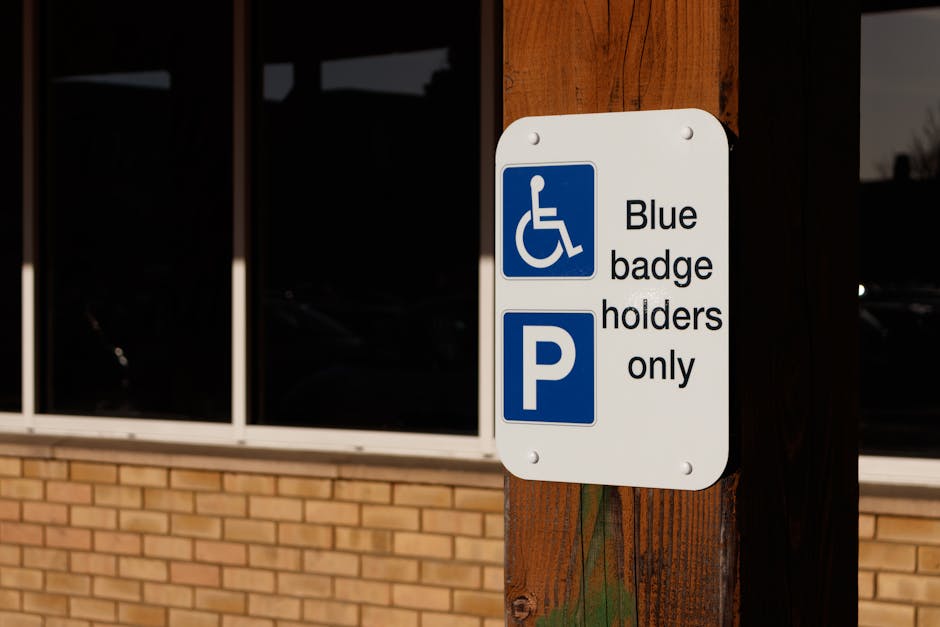
Seven Sisters N15 removals parking and permit advice
Posted on 06/06/2026
Moving in Seven Sisters, N15 can look straightforward on paper and then, suddenly, the parking gets involved. A van arrives, the street is tighter than expected, a resident bay is occupied, and everyone is asking the same question: where can we stop without causing hassle? That is exactly why Seven Sisters N15 removals parking and permit advice matters. A little planning here saves time, reduces stress, and helps keep your move on track.
Whether you are leaving a flat near the station, moving into a terraced street off the main roads, or organising a same-day job with a man with a van in Haringey, parking is rarely a small detail. It affects loading distance, timing, safety, and sometimes the whole cost of the move. In this guide, we will walk through the practical side of parking, permits, access, and the small decisions that make moving day feel far less chaotic. A bit of local know-how goes a long way, honestly.
For readers comparing removal support, you may also find it useful to browse the broader services overview and the dedicated flat removals in Haringey page, especially if you are moving from a block with limited access or shared parking.
Why Seven Sisters N15 removals parking and permit advice Matters
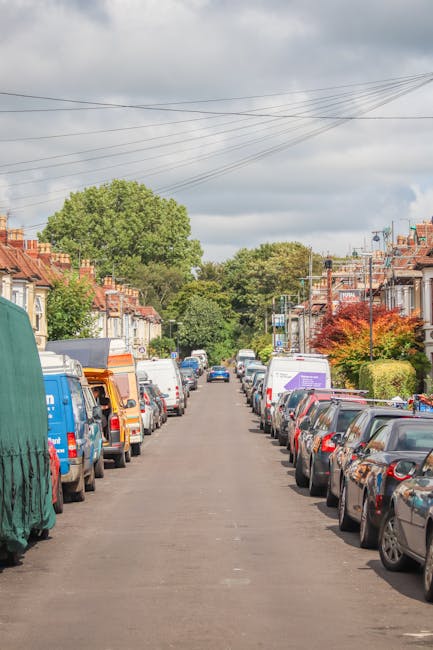
Seven Sisters is busy, built-up, and varied. Some streets are broad enough to make life simple; others are not. You can have one address with quick kerbside access and another where a van has to snake around parked cars, tight junctions, and resident bays. That difference can turn a 20-minute load into a much longer job.
Parking advice matters because removal work is all about timing. If the van cannot park close to the property, the crew may need extra carrying time, more labour, or repeated trips. That adds strain on everyone. In the worst cases, it can also create avoidable parking penalties or complaints from neighbours. No one wants a moving day that starts with a ticket or a neighbour tapping on the window at 8:15 in the morning.
There is also the safety side. Longer carries mean more chances for bumps, slips, and awkward lifting. A properly planned parking setup helps protect furniture, doorways, stairwells, and your back. Truth be told, parking is not glamorous, but it is one of the biggest hidden factors in a smooth move.
If you are planning a larger move, the broader guidance on house removals in Haringey can help you think through the whole day, not just the van space. And if you need a full team rather than a small load, removal services in Haringey may be the better fit.
How Seven Sisters N15 removals parking and permit advice Works
In plain English, this advice is about making sure the vehicle has a legal, practical place to stop near your home so loading and unloading can happen safely and efficiently. In Seven Sisters, that usually means checking three things before moving day: road layout, parking restrictions, and how much space the van actually needs.
There are a few common scenarios:
- Resident bay streets: Parking may be limited to permit holders, often with time controls.
- Pay-and-display or shared-use bays: A permit may still be needed depending on the day and time.
- Single yellow or red route restrictions: These can be risky for removals unless loading rules clearly apply and the vehicle is actively attended.
- Unrestricted streets: Easier in theory, but often still busy in practice.
The key is not to assume that a van can simply stop anywhere while you load. Some streets are forgiving for a quick drop, but removal work takes longer than a parcel delivery. You need enough time, room, and a clear understanding of the local parking conditions.
For flats and apartment blocks, access can be just as important as parking. A van might legally stop nearby but still be too far from the entrance for a sensible load. That is why people moving from upper floors often look at packing and boxes in Haringey before moving day. Well-packed boxes make longer carries far less annoying. And yes, fewer loose bits means fewer last-minute disasters.
What a permit actually does
A parking permit gives the vehicle permission to use a space that is otherwise controlled. Depending on the street, that could be a resident bay, visitor bay, shared-use bay, or a loading-friendly arrangement. Some moving jobs need a permit because the van will be parked for more than a brief stop. Others can work without one if the vehicle can use a legal loading position for a short period, but this should never be guessed.
In practice, permit planning is about preventing avoidable friction. Even where the move itself is simple, a permit can keep everything calmer. And calmer is good. Always.
Key Benefits and Practical Advantages
Good parking and permit planning does more than reduce the risk of a fine. It shapes the entire move.
- Shorter carrying distance: Less walking means faster loading and fewer chances of damage.
- Better labour efficiency: A team can keep momentum when they are not trekking up and down the street.
- Reduced stress: You are not negotiating parking at the same time as lifting a sofa.
- Safer handling: Heavy or awkward items are easier to move when the van is close.
- Cleaner timing: More predictable access keeps the day on schedule.
- Lower chance of complaints: Neighbours are less likely to be irritated by a blocked entrance or unnecessary idling.
There is also a commercial upside. If you are getting quotes, being clear about parking conditions helps removal companies estimate the job properly. A quote based on realistic access is far more useful than a vague estimate that falls apart on the day. If you want to compare value in a more structured way, the pricing and quotes page is a sensible starting point.
For people moving fragile items, poor access can be extra frustrating. A piano, for example, is not something you want to drag farther than necessary. That is where specialised support like piano removals in Haringey becomes relevant. The same goes for bulky wardrobes, sideboards, and awkward dining tables.
Who This Is For and When It Makes Sense
This advice is useful for almost anyone moving in Seven Sisters N15, but it is especially important in a few situations.
- Flat movers: If you live in a block or an upper-floor apartment, access planning matters more than usual.
- Families moving house: There is often more furniture, more boxes, and more pressure to keep the day efficient.
- Students and renters: Quick turnarounds and smaller budgets make parking efficiency especially valuable.
- Office movers: Business moves tend to have tighter schedules and a lower tolerance for delays. If that sounds familiar, see office removals in Haringey.
- Last-minute movers: If the move is happening fast, parking is one of the first things that can go sideways.
It also makes sense if you are moving large or awkward items, or if you already know your street gets busy early. Seven Sisters has that familiar London rhythm: school runs, commuters, deliveries, someone double-parked for "just a minute". You know the scene. That is exactly why a bit of planning helps.
Students especially can benefit from a smaller, flexible setup. The guide to student removals in Haringey is useful if you are trying to keep things simple and efficient. If storage is involved between tenancies, have a look at storage in Haringey too.
Step-by-Step Guidance
Here is the most practical way to approach parking and permit planning for a Seven Sisters move.
- Check the exact address and street layout. Look at whether the property sits on a main road, side street, estate road, or cul-de-sac. Access can change block by block.
- Identify parking restrictions early. Check whether the street uses resident bays, loading bays, single yellows, or controlled hours. Do not leave this until the evening before.
- Measure the likely loading distance. Even a legal bay can be awkward if the entrance is far away or there are stairwells, gates, or steps.
- Decide what size vehicle you need. A small van might fit more easily, but you may need extra trips. A larger van may reduce trips but need more space. If you are unsure, see removal van options in Haringey.
- Confirm whether a permit is needed. If the van is likely to stay parked, check whether a visitor permit, suspension, or temporary arrangement is required. If there is any doubt, treat it as a permit job rather than a gamble.
- Tell the removal team about access restrictions. Mention narrow roads, height barriers, controlled bays, gate codes, and any shared entrances.
- Prepare the property entrance. Clear hallways, protect flooring, and keep the pathway to the van unobstructed.
- Leave a fallback plan. Have a second parking option in mind in case the first spot is blocked when the vehicle arrives.
A small but helpful tip: if you can reserve the closest sensible place for the van, do it. It can save a lot of quiet frustration on the day. If the move is unusually urgent, same-day removals in Haringey may be worth exploring, but even then, parking needs a quick check first.
A simple planning rule
If the van cannot stop close enough for a safe and efficient load, assume the move will take longer and plan accordingly. That one rule prevents a lot of optimistic guesswork.
Expert Tips for Better Results
Here is where a bit of local experience helps.
1. Build your move around the parking, not the other way around. If your street is tight, choose a vehicle and time slot that suit the layout. That sounds obvious, but people often do the reverse.
2. Avoid peak chaos where possible. Early mornings can be calmer before the street fills up. Mid-morning can work well too, depending on school traffic and local demand. There is no magic hour, just less congestion if you pick well.
3. Keep one person focused on parking and access. One adult checking the bay or guiding the van can prevent a lot of confusion. It is a tiny thing, but it really helps.
4. Use the right packing approach for longer carries. Strong boxes, secure tape, and sensible weights matter more when the van is not right outside the door. If you need help organising that side, package and boxes in Haringey is worth a look, despite the slightly awkward page name.
5. Keep the crew informed about obstacles. Low walls, narrow staircases, awkward intercoms, and loading restrictions are the kinds of details that prevent delays.
6. Don't leave permit questions until the morning of the move. That is the moment when nobody wants to be on hold, holding a kettle, and looking for a parking solution. It happens, of course, but it is not ideal.
7. Ask about insurance and handling standards. If parking is tight, the risk of bumps rises. Knowing how items are protected matters. A good place to read more is insurance and safety.
Common Mistakes to Avoid
Most moving problems in Seven Sisters are not dramatic. They are small, ordinary errors that stack up. The good news? They are avoidable.
- Assuming loading is always allowed: Loading rules can be nuanced, and they are not a free pass.
- Ignoring street-specific restrictions: One side of a road may be fine while the other is controlled.
- Booking a vehicle that is too large: Bigger is not always better if the street is tight.
- Failing to warn the movers about access issues: This leads to delays and a lot of unnecessary back-and-forth.
- Leaving boxes until the last night: That always makes parking stress feel worse.
- Not checking whether a permit must be in the vehicle or pre-arranged: Details matter here. They really do.
- Choosing a quote without discussing access: The cheapest estimate can become expensive if the conditions are harder than expected.
One more mistake people make: forgetting that a van also needs room to unload, not just room to stand still. Doors need opening space. Furniture needs turning space. People need to move. It is never just about the kerb.
Tools, Resources and Recommendations
You do not need a complicated toolkit to plan this properly. A few practical items and habits make a big difference.
- Street view or a recent photo of the property frontage to understand the bay layout and kerb access.
- A rough item list so you can judge vehicle size accurately.
- Boxes labelled by room to speed unloading if parking is a little farther away than hoped.
- Door protectors and blankets for tighter hallways and awkward corners.
- Clear contact details for the driver or move coordinator so parking updates can be shared quickly.
For people preparing the whole move, a few nearby pages can be useful. If you want a broader moving overview, the removals in Haringey page is a sensible hub. If you are comparing full-service help with a more lightweight van option, man and van in Haringey and man with van in Haringey can help you think through the difference in scale.
For general company background and standards, the about us page is useful, while the recycling and sustainability page is helpful if you are also clearing out items and want to dispose of them responsibly. You may not need every page, but having them available is reassuring.
Law, Compliance, Standards, or Best Practice
Parking and permit advice sits in a practical grey zone: it is not legal advice, but it does touch local rules, road use, and moving safety. So the safest approach is to follow the local parking conditions exactly as they apply to the street and time of day. If you are not sure, do not assume. Check, confirm, and keep a record of what has been arranged.
Best practice usually includes the following:
- Respect all signage and bay markings.
- Do not block access routes for residents, emergency services, or pedestrians.
- Keep loading activity efficient so the vehicle is not parked longer than necessary.
- Use proper lifting and handling methods to reduce injury risk.
- Be transparent about access constraints when arranging the job.
There is also a professional standard element. Good removal teams think about safety, communication, and property protection, not just transport. If you want reassurance on how the business approaches this side of things, take a look at health and safety policy and terms and conditions. Those pages help set expectations, which is never a bad thing.
And while we are here, if your move involves valuable or delicate items, it is worth checking handling and security details too. That includes payment confidence and proper protection during transit. Small thing, big comfort.
Options, Methods, or Comparison Table
Different parking approaches suit different Seven Sisters moves. Here is a simple comparison to help you think it through.
| Approach | Best for | Pros | Watch-outs |
|---|---|---|---|
| Nearest legal bay with permit | Longer loads, flats, busy streets | Closest access, efficient loading | May need planning ahead and correct permit use |
| Short loading stop | Very quick moves, light loads | Fast if conditions allow | Not suitable for slower or larger removals |
| Further-away unrestricted parking | Occasional fallback option | Easier to find space | Longer carrying distance, more fatigue, slower progress |
| Smaller van strategy | Narrow roads or limited parking | Can fit where larger vans struggle | May mean more trips |
There is no universal winner. The best option depends on the street, the volume of items, the size of the van, and how much time you have. In a tighter N15 location, a smaller van plus smart parking can sometimes outperform a bigger van parked a long walk away. Not always, but often enough to matter.
Case Study or Real-World Example
Here is a simple real-world style example, based on the kind of move that comes up often in Seven Sisters.
A couple moving from a first-floor flat near a busy junction expected to use the space directly outside their building. On paper it looked fine. In reality, the bay was partly occupied, the street was busier than they remembered, and the lift in the block was not available for bulky items. Rather than forcing the issue, they adjusted the plan: the van used a legal space a short distance away, the loading route was cleared in advance, and the boxes were labelled by room so the unloading side stayed efficient.
What changed? Not the amount of furniture. Not the stairs. Just the planning.
The move still took longer than a perfect kerbside stop would have, but it avoided confusion, kept the team moving, and reduced the stress of repeated parking changes. The couple later said the biggest lesson was simple: the parking plan should be part of the move plan, not a separate afterthought. Fair enough. That is exactly right.
For flats and smaller properties with tight access, the guide to flats near Alexandra Park offers a useful parallel perspective, even if your move is in Seven Sisters rather than Crouch End. The access principles are very similar.
Practical Checklist
Use this checklist a day or two before moving day. It will save you from the last-minute scramble.
- Confirm the full moving address and postcode.
- Check the street parking rules for the exact location.
- Decide whether a permit, bay reservation, or loading-only plan is needed.
- Measure or estimate the distance from parking space to entrance.
- Choose a van size that matches the street and volume of goods.
- Tell the removal team about any narrow roads, gates, steps, or intercoms.
- Prepare boxes and label fragile items clearly.
- Clear the path from door to van.
- Keep one phone charged and available for parking updates.
- Have a backup parking option in mind.
- Check whether any large items need special handling.
- Keep valuables, keys, and documents separate.
Quick takeaway: if you get the parking right, most of the rest feels easier. If you get it wrong, everything else becomes harder than it needs to be. Simple as that.
Conclusion
Seven Sisters N15 removals parking and permit advice is really about reducing friction before it starts. You are not just trying to park a van; you are trying to protect your time, your belongings, your neighbours' patience, and your own sanity on what is already a fairly full-on day.
The best moves in this part of Haringey are rarely the most dramatic ones. They are the well-planned ones. The team knows where the van is going. The route is clear. The permit situation is understood. The boxes are ready. And no one is scrambling in the street with a sofa and a sigh.
If you remember only one thing, make it this: the closer and more legal the parking, the smoother the move usually feels. That one decision can change the whole day.
Get a free quote today and see how much you can save.
If you are still shaping your plan, explore the wider moving support on removal companies in Haringey and house removals in Haringey, or head to contact us when you are ready to talk through the parking details directly. A quick conversation now can save a lot of faff later. Honestly, that is usually the smart move.