Haringey Council rules for removals parking permits
Posted on 01/08/2026
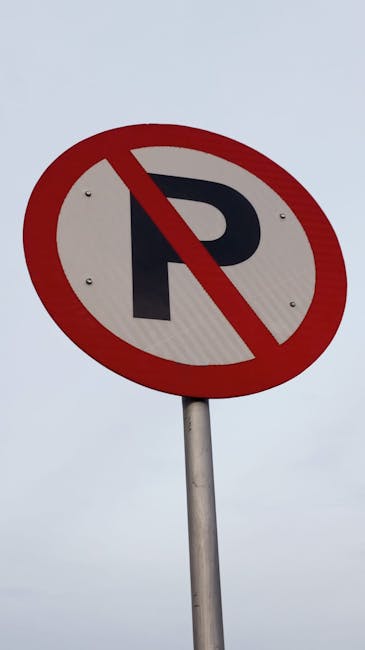
Haringey Council Rules for Removals Parking Permits: A Practical Guide for a Smoother Move
If you are moving house in Haringey, the parking side of the job can be the bit that quietly causes the most stress. The boxes are packed, the keys are nearly in hand, and then you realise the van has nowhere sensible to stop. That is where Haringey Council rules for removals parking permits come in. Get them right, and your move feels calmer, quicker, and far less likely to attract a ticket or an awkward delay. Get them wrong, and, well, the street can turn into a very expensive waiting room.
This guide breaks down how removals parking permits usually work in Haringey, why they matter, what to check before moving day, and how to avoid the most common mistakes. It is written for real life, not theory. You will find practical steps, a checklist, a comparison table, and a handful of local tips that can save a surprising amount of hassle.
Why Haringey Council rules for removals parking permits Matters
Parking is not just a convenience issue during a move. In a busy borough like Haringey, it can determine how long the loading takes, how many trips the crew needs to make, and whether your van can park close enough to the property to make the job efficient. On a narrow street with tight bays, one small oversight can mean carrying sofas, wardrobes, and cartons much further than expected. That sounds minor until you are doing it at 8 a.m. with rain in the air.
Understanding the rules matters for three main reasons. First, it helps you avoid penalties. Second, it reduces disruption for neighbours and other road users. Third, it keeps your removals team working to a realistic schedule. If you are comparing moving options, it is worth looking at the wider setup too, not just the parking piece. Pages such as the services overview and house removals in Haringey can help you think through the whole move, not only the transport.
To be fair, most people only discover how much parking matters when the moving day clock starts ticking. That is exactly why planning ahead beats improvising.
How Haringey Council rules for removals parking permits Works
In plain English, a removals parking permit is a temporary arrangement that allows a moving vehicle to load or unload in a place where normal parking restrictions might otherwise apply. The exact rules can vary depending on the street, the type of bay, whether the area is controlled, and whether suspension or dispensation is needed. That sounds technical, but the basic idea is simple: you need a legal and practical place for the van to stop.
Some moves can be handled with an ordinary legal parking space, such as a free bay or unrestricted road section, if available. Other moves need a formal parking permission because the nearest sensible stopping point is controlled by a permit zone, loading restriction, red route-style restriction, or a bay that is already reserved for another use. In many cases, the moving van needs the closest safe and lawful access possible. The closer the van, the smoother the load.
The important thing is not to assume that "just for an hour" means it is automatically fine. Councils and parking enforcement systems do not usually work on goodwill alone. If your van is likely to obstruct traffic, sit in a restricted bay, or need exclusive access to a space, plan it in advance. For tighter moves, a local team that understands area access can be useful; a man with a van in Haringey or removal services in Haringey setup often needs a parking plan before the first box is moved.
One practical point people miss: parking permissions are only one part of access. The width of the road, time of day, lift availability, and whether the property is a flat or a terraced house all change the moving picture. A permit can solve one problem while leaving three others untouched. Slightly annoying, yes, but manageable.
Key Benefits and Practical Advantages
The biggest benefit is straightforward: less friction on moving day. When the van can park where it needs to, everything else becomes easier. That includes speed, safety, and the cost of the job itself. A crew that is not constantly walking long distances with heavy items can work more efficiently and with less fatigue.
Here are the real-world advantages people notice most:
- Reduced risk of parking penalties because the vehicle is parked according to the correct rules.
- Faster loading and unloading since the van can stop closer to the door.
- Less stress for you, the removals team, and the neighbours watching from upstairs windows.
- Better schedule control when timing is already tight because of handover deadlines.
- Fewer surprise costs caused by extra waiting, repeated trips, or enforcement issues.
If you are budgeting carefully, this is one of those small planning steps that can protect the whole quote. There is a useful article on avoiding unexpected expenses in avoiding hidden charges when booking Haringey removals, and it pairs well with the parking planning conversation.
Expert summary: The best removals parking plan is usually the one that is boring on the day. No scrambling, no guessing, no circling the block while someone shouts directions from the pavement. Simple is good here.
Who This Is For and When It Makes Sense
Not every move in Haringey needs a formal parking arrangement, but plenty do. If you are moving from a flat on a busy street, a maisonette with limited roadside space, or a property near shops, schools, or transport links, you should assume access may be tight until proven otherwise. That is especially true in streets where parking is heavily shared and the van may need to load from the road rather than a driveway.
This matters for:
- homeowners moving out of terraced or semi-detached houses
- tenants leaving upper-floor flats with no private parking
- students moving into shared accommodation
- office moves where the van may need repeated access throughout the day
- larger furniture jobs, including pianos, wardrobes, and heavy appliances
For students and smaller moves, the parking challenge can be easy to underestimate. A few boxes feel manageable, until the van arrives and there is nowhere sensible to stop. If that sounds familiar, the guidance on student removals in Haringey may be useful, especially if you are working to a narrow check-out window. Similar planning logic applies to specialist items too, such as furniture removals in Haringey and piano removals, where access matters even more than people expect.
Step-by-Step Guidance
If you want the process to feel less like guesswork, follow a proper sequence. This is the part many people skip. Then they end up phoning round at the last minute, which is never fun.
- Check your moving date and time. The time slot matters because parking restrictions and street activity change through the day. Early mornings can be quieter; school-run hours are not.
- Inspect the street access. Look at bay markings, loading signs, double yellow lines, and any local restrictions around your property.
- Estimate the vehicle size. A small van and a long-wheelbase removal vehicle are not treated the same in practice. If you are using a bigger vehicle, plan for extra room.
- Identify the safest stopping point. The nearest spot to the door is not always the best if it blocks traffic or sits in a restricted bay.
- Confirm whether a permit, suspension, or dispensation is needed. Different situations may need different permission. If in doubt, ask before committing.
- Build in buffer time. Parking arrangements can take longer than expected, especially if the road is busy or the address is awkward to access.
- Share clear instructions with the removals team. Tell them about gates, bollards, narrow turns, one-way access, and any known restrictions.
If your move is happening at short notice, the access check becomes even more valuable. The page on same-day removals in Haringey is a good reminder that urgent moves need tidy logistics, not optimism. And if the move is part of a larger flat transition, the broader guidance at flat removals in Haringey can help you anticipate staircase, access, and parking issues together.
Expert Tips for Better Results
In our experience, the best moving days are built on small decisions made a few days earlier. Nothing dramatic. Just useful little checks that stop problems before they start.
First, do not leave parking planning until the evening before. By then, if there is a problem, your choices are limited and usually more expensive. Second, try to think like the van driver. Is there enough turning space? Can the vehicle reverse safely? Will another car box it in before unloading is done? That perspective alone prevents a lot of trouble.
Third, be realistic about timing. A two-bedroom move with awkward access does not behave like a quick suitcase job. If a crew can only park a short walk away, your lifting time grows quickly. The same goes for properties in streets with tight rows of parked cars. On paper it looks manageable; in practice it can feel like a relay race.
You can also make things easier by packing in a way that supports the parking plan. The articles on packing and boxes in Haringey and package and boxes in Haringey may sound mundane, but organised packing shortens loading time, which matters when access is limited.
And one slightly old-school tip: stand outside your property for two minutes at the time of day the van will arrive. Hear the buses, look at the parked cars, notice the squeeze points. That tiny exercise tells you more than a dozen assumptions. Honest.
Common Mistakes to Avoid
Most parking problems during removals are avoidable. The trouble is that they are also very easy to make when you are juggling keys, cleaners, notices, and last-minute admin.
- Assuming the van can park anywhere briefly. Short stops can still be restricted stops.
- Forgetting to check bay times. A bay that looks free in the morning may be enforced later.
- Not telling the removals team about access issues. A small detail, like a narrow turning circle, can change the entire plan.
- Underestimating how long loading will take. Even a modest move can run longer if the van is far from the front door.
- Leaving it to the last minute. This is the classic one. It usually ends with stress and a very busy phone call.
Another common mistake is focusing only on cost, not access. A cheaper service is not always cheaper if it spends half the morning hunting for a legal stopping point. There is a useful cautionary angle in booking mistakes that increase Haringey man and van costs, because parking and quote accuracy tend to go hand in hand.
One more thing: do not forget the neighbours. A tidy, respectful move reduces complaints and helps everyone keep their cool. It is not glamorous, but it helps.
Tools, Resources and Recommendations
You do not need a complicated toolkit to handle removal parking planning, but you do need a method. Start with a basic street review, a written list of access notes, and a moving-day timeline. Old-fashioned? Maybe. Effective? Absolutely.
Useful things to prepare include:
- photos of the street outside your property
- the exact property address and nearest landmarks
- a note of any low bridges, width restrictions, or one-way access
- the expected arrival time for the van
- contact details for the lead mover or driver
If you are still at the planning stage, the broader overview pages can help you match the parking plan to the job itself. Have a look at removal van Haringey if vehicle type matters, removal companies in Haringey if you are comparing support levels, and pricing and quotes if you are trying to understand where access affects cost.
For people who want a fuller picture of the company side of the move, pages such as about us, insurance and safety, and health and safety policy are worth a look. They help you judge whether the team is thinking beyond the van keys and into the real moving conditions on the day.
Law, Compliance, Standards, or Best Practice
Parking rules in London are enforced seriously, and that is not really news to anyone who has ever watched a ticket machine print out a fresh problem. For removals, the practical rule is simple: if a vehicle is stopping where parking is controlled, restricted, or likely to obstruct others, you should assume some form of permission or legal parking arrangement may be required. Because restrictions vary street by street, it is safest to treat local signage and access conditions as the deciding factor, not habit or guesswork.
Best practice is to plan for lawful access, not to hope enforcement officers are having a quiet day. That means checking the street, reading signs carefully, confirming whether parking needs to be suspended or otherwise authorised, and allowing enough time for setup. The same standard applies whether you are moving a small flat or a full household.
If you are hiring movers, they should be able to talk through access in a straightforward way. A good operator will ask where the vehicle can stop, how long loading might take, whether there are stairs, and whether anything unusually large needs moving. That is part of normal professional practice. It is also a good sign that the team is thinking ahead rather than winging it.
Related service pages such as man with van Haringey, man and van Haringey, and removals Haringey can help you compare how different move types may handle access and parking differently. In practical terms, compliance is not just about avoiding penalties. It is about making the move safe, lawful, and predictable.
Options, Methods, or Comparison Table
There is no single parking approach that fits every removals job. The best option depends on where you live, how big the vehicle is, and how much access you have near the front door. Here is a simple comparison to help you think it through.
| Parking approach | Best for | Pros | Limitations |
|---|---|---|---|
| Legal unrestricted parking | Quiet streets with available space | Simple, low admin, often fastest to arrange | Not always available near busy homes |
| Controlled bay with permission | Moves where the nearest space is in a regulated area | Closer access, fewer surprises | Needs planning and timing |
| Suspension or temporary restriction management | Tight streets or reserved bay situations | Can secure a useful stopping point | Requires more lead time and clear coordination |
| Off-road or private access | Properties with driveways or forecourts | Usually the easiest on moving day | Not available to everyone |
If your property is a flat near a busy road, you will often lean toward the second or third option. If you have a driveway, you may not need formal parking permission at all. That said, always check the practical reality, not just the ideal layout in your head. The road outside can tell a different story at 9 a.m.
Case Study or Real-World Example
Picture a family moving from a first-floor flat in a busy Haringey street on a Saturday morning. There is no driveway, the road is lined with parked cars, and the nearest legal bay is a short walk away. Without planning, the van arrives, circles once, and ends up stopping far from the entrance. The result? More lifting, more time, and a slightly frazzled household wondering why the day already feels long.
In the better version of that same move, the parking situation is checked in advance. The team knows where the van can safely stop, the boxes are stacked by room, and the heaviest furniture is prioritised for the first load. The access plan is not perfect, because few are, but it is workable. The move finishes more smoothly, the family keeps to schedule, and the whole thing feels far less chaotic. It is not magic. It is just preparation.
That kind of outcome is especially useful if you are dealing with tight frontages or Victorian layouts, which is why local guidance such as Wood Green man and van tips for narrow Victorian homes, Crouch End removals guide for flats near Alexandra Park, and Noel Park same-day removals and van access advice can be unexpectedly helpful. Different streets, different headaches. Same principle.
Practical Checklist
Use this checklist a few days before moving day. If you can tick most of it off, you are in a good position.
- Confirm the move date, time, and access window.
- Check parking restrictions outside the property and nearby roads.
- Identify the best place for the van to stop legally and safely.
- Decide whether you need a parking permit, suspension, or another arrangement.
- Tell the removals team about stairs, lifts, gates, or narrow access.
- Prepare clear directions and contact details for the driver.
- Pack items so the first load is easy to reach.
- Keep building keys, fobs, and any access cards ready.
- Have a backup plan if the first parking option is taken.
- Allow extra time, because moving days rarely run like clockwork.
And one tiny but useful thing: stand at the curb and imagine carrying a washing machine from the door to the van. If that image makes you wince, you probably need a better parking plan. Simple test, surprisingly effective.
Conclusion
Haringey Council rules for removals parking permits are really about one thing: making the move lawful, efficient, and less stressful. You do not need to be an expert in parking enforcement to get it right. You just need to check the street properly, understand the likely access issues, and plan before the van turns up. That small bit of preparation can save time, reduce risk, and keep the whole day feeling more in control.
If you are still deciding what kind of support you need, start with the wider move planning pages and work backwards from the access problem. The smarter the parking plan, the easier everything else becomes. And on moving day, that matters more than most people expect.
Get a free quote today and see how much you can save.
For readers who want to explore more helpful moving guidance, the latest blog posts and service details are a sensible next stop, especially if you are weighing up flat, house, or last-minute moving support. One calm decision now can save a lot of rushing later.